Paediatric Ophthalmology & Squint Care
Compassionate child vision screenings, amblyopia (lazy eye) therapy, squint surgery, and pediatric refraction in Agartala.
Duration
30 - 45 Minutes (Checkup) / 45 Mins (Surgery)
Anesthesia
Gentle Eye Drops / Safe Paediatric General Anesthesia
Hospital Stay
Day-Care Outpatient (Discharge in 2-3 Hours)
Recovery
Immediate for checkup; 3-5 days for squint surgery
Clinical Overview & Treatment Method
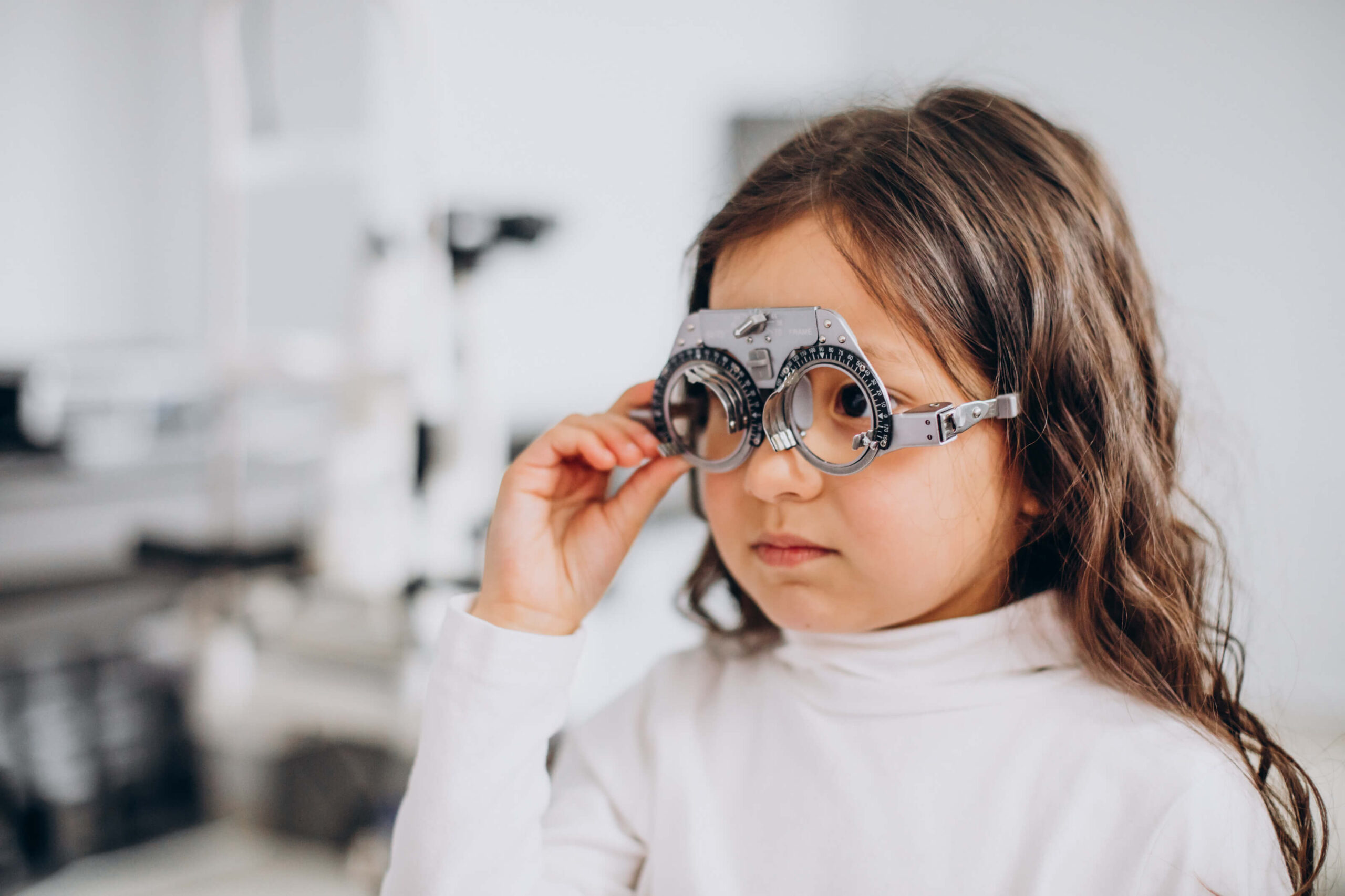
A child’s visual system undergoes critical development from birth up to 8–10 years of age. Undetected refractive errors, squint (strabismus), or congenital cataracts during this window can lead to permanent lazy eye (amblyopia). At Ashvini Netralaya, our dedicated Paediatric Ophthalmology and Strabismus Clinic is designed specifically to ensure a warm, engaging, and fear-free environment for children. We utilize specialized child-friendly diagnostic equipment (Lea symbols, streak retinoscopes, synoptophores) and perform micro-surgical muscle re-alignment for strabismus to restore binocular 3D vision.
Our clinical team works closely with parents to identify early signs of developmental vision delay. Through personalized amblyopia patching protocols, specialized glasses, orthoptic vision therapy, and precision squint surgery, we ensure your child grows up with confident, balanced, and razor-sharp vision.
Key Clinical Advantages at Ashvini Netralaya
Symptoms & When to Consult an Eye Specialist
If you or your family members in Agartala or Tripura experience any of the following indications, we strongly advise scheduling an evaluation:
Who is an Ideal Candidate for this Procedure?
Paediatric Vision Correction Options at Ashvini Netralaya
Treatment depends on whether the condition is refractive, binocular alignment, or neuro-developmental.
| Option / Type | Vision Range | Night Glare | Spectacle Freedom | Ideal Candidate |
|---|---|---|---|---|
Optical Glasses & Prisms First-Line Treatment | Full distance and near correction | None | Spectacles worn daily as prescribed | Accommodative esotropia, high hypermetropia, myopia, astigmatism |
Amblyopia Occlusion Patching Proven Clinical Standard | Restores visual acuity in the lazy eye | None | Used alongside glasses | Children under 9 with unilateral lazy eye (amblyopia) |
Strabismus Muscle Surgery Definitive Alignment | Restores straight alignment & binocular fusion | None | Straightens eyes; glasses may still be worn for sharpness | Non-accommodative squint, paralytic squint, large deviation |
Synoptophore & Vision Therapy Therapeutic Training | Enhances binocular 3D depth perception | None | Improves binocular coordination | Convergence insufficiency, intermittent exotropia, poor stereopsis |
Step-by-Step Procedure at Ashvini Netralaya
Conducted in our modular NABH-accredited operating theatres or diagnostic laboratories with zero-infection sterilization protocols.
Engaging Visual Acuity Assessment
10 minsUsing picture charts (Lea symbols), matching cards, and Cardiff acuity tests tailored to the child's developmental age.
Cycloplegic Drop Refraction
30 minsSafe pediatric eye drops gently relax the child's strong focusing muscles, allowing accurate determination of true refractive power.
Ocular Alignment & Muscle Balance Testing
10 minsPrism bar cover tests and synoptophore examination measure the angle of squint and check for 3D stereoscopic depth perception.
Dilated Fundus & Retinal Check
10 minsThorough inspection of the optic nerve and retina to rule out congenital cataracts, retinoblastoma, or neurological conditions.
Parental Counseling & Treatment Plan
15 minsDoctor explains the diagnosis, spectacle prescription, patching schedule, or surgical muscle realignment if indicated.
Recovery Timeline & Visual Milestones
Initial Eye Alignment & Comfort
Mild pinkness on the white of the eye is normal. Child rests comfortably at home with antibiotic and anti-inflammatory eye drops.
- Rest quietly at home
- Instill eye drops as prescribed
- Avoid rubbing the eyes or vigorous games
Healing & Suture Absorption
Pediatric ophthalmologist evaluates straight alignment and confirms clean, infection-free conjunctival healing.
- Return to school and light classroom study
- Wear protective glasses outdoors
- Avoid swimming and contact sports
Binocular Vision & 3D Stereopsis Check
Assessment of binocular fusion and depth perception. Child enjoys natural eye contact and stereoscopic vision.
- Full sports and swimming permitted
- Continue periodic routine vision checks every 6 months
Pre-Procedure Preparation
- •Explain the checkup playfully to your child so they feel excited rather than anxious.
- •Bring along favorite toys, snacks, or an extra jacket to make them feel comfortable.
- •For squint surgery: strictly fast (no food or water) for 6 hours prior to general anesthesia.
- •Inform the doctor about any asthma, drug allergies, or recent cough/cold.
- •Have all previous spectacle prescriptions or developmental records ready.
Post-Procedure Guidelines
- •Wash your hands thoroughly before instilling prescribed drops.
- •Do not let your child rub or press on their eyes; keep nails trimmed.
- •Avoid splashing tap water into the eyes for 10 days.
- •Administer oral pain syrups only as recommended by the pediatrician.
- •Attend the scheduled follow-up visits to monitor long-term ocular alignment.
Precision Equipment & Technological Advantage
Clement Clarke Synoptophore
Haag-Streit UKGold standard diagnostic instrument for assessing simultaneous perception, fusion range, and stereoscopic depth perception in children.
Heine Streak Retinoscope
Heine Optotechnik (Germany)High-precision optic beam allowing objective refraction in uncooperative toddlers without requiring subjective patient responses.
“My 6-year-old daughter was teased at school because of her crossed eye. Dr. Paichainda diagnosed her amblyopia, prescribed glasses, and later performed surgery. Her eyes are now perfectly straight and her confidence has soared. We are forever grateful to Ashvini Netralaya.”
Frequently Asked Questions About Paediatric Ophthalmology & Squint Care
Can children outgrow a squint on their own?
How does eye patching help amblyopia (lazy eye)?
Is squint surgery safe for young children?
At what age should my child have their first eye exam?
Can excessive screen time cause permanent vision damage in children?
Will my child need glasses forever after squint surgery?
Schedule Your Consultation
Direct access to Ashvini Netralaya’s specialist ophthalmology team in Agartala.
Dr. Paichainda Mog
MBBS, MS (Ophthalmology) | Chief Paediatric Ophthalmology Consultant
OPD Consultation Hours
Mon - Sat: 9:00 AM - 7:00 PM
Emergency Eye Trauma: 24/7
📍 Bijoykumar Chowmuhani, Opposite Eastern Scientific Corporation, Krishna Nagar, Agartala, Tripura - 799001
Other Specialities at Ashvini Netralaya
Cataract Surgery - Phacoemulsification
Stitchless, micro-incision phacoemulsification cataract surgery with premium monofocal, toric, and multifocal/EDOF IOL implantation in Agartala.
Vitreo-Retina Surgeries & Medical Retina
Advanced 25G/27G sutureless vitrectomy, retinal detachment repair, diabetic retinopathy laser & anti-VEGF injections in Agartala.
Comprehensive Eye Checkup & Vision Assessment
Complete 7-point ophthalmic examination including dilated fundus, computerised refraction, slit-lamp biomicroscopy & eye pressure test.